THE PSYCOLOGY BEHIND HABITS
The Psycology Of Habit Formation
Habits are actions we do everyday,both consciously and subconsciously.
When habits are new, we may be more aware of it as we’re actively trying to integrate it into our routine. Over time, as the behavior becomes ingrained, it shifts to a more subconscious level where you do it on autopilot.
For example: brushing your teeth. Do you ever really wake up and think okay it’s time to go to the bathroom and brush my teeth? Chances are you don’t. That’s because it’s a part of your habit loop that your brain systemized for you. This transition from conscious effort to subconscious execution is a key feature of how habits form and become a regular part of our lives. Neuroscience shows us that habits form through a process known as "chunking," where the brain converts a sequence of actions into an automatic routine.
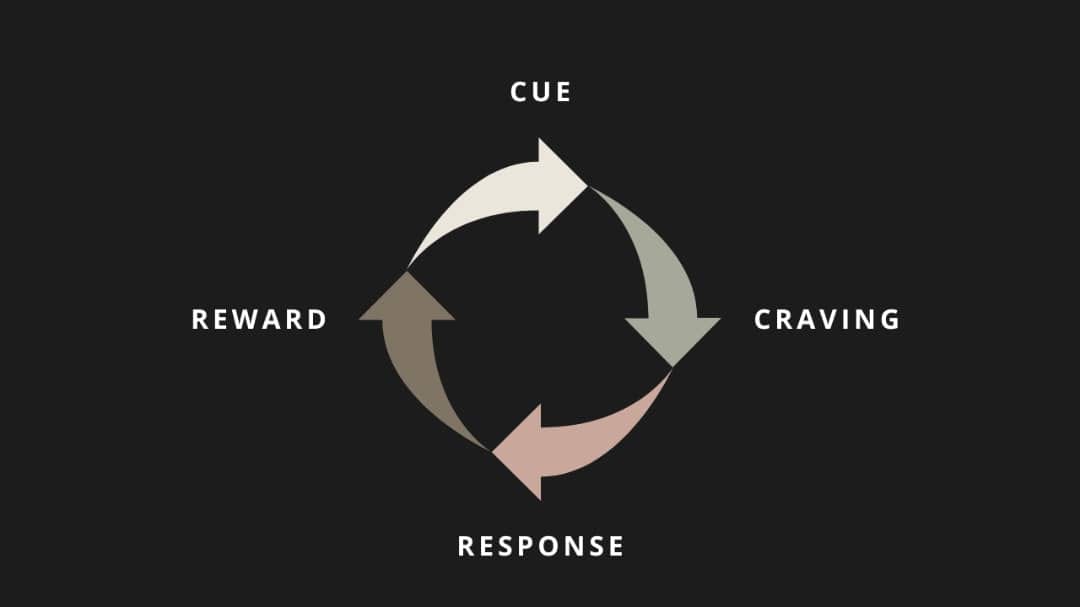
The habit loop which consists of:
Cue
Craving
Response
Reward
By understanding this cycle, we can compound our habits and hack our way to success in both this life and the next.
The Habit Loop: A Closer Look
1)Cue: The Trigger for Your Behavior

Make it obvious. The cue is the first sign that triggers your habit. Examples: Seeing your phone light up triggers you to check notifications.
Feeling stressed triggers you to eat comfort food.
Seeing a video or a post about fitness trigges you that its time to excercise/workout
For daily exercise, this cue might be seeing your workout clothes laid out on your bed each morning. This cue sets the stage, signaling that it’s time to begin your routine. Recognizing this cue helps you transition smoothly from whatever. Key Insight: By understanding and controlling the cues in your environment, you can take control of your habits. Tip: Make cues obvious. For example, place workout clothes where you’ll see them if you want to exercise.
2)Craving: The Motivational Force
Make it attractive.Craving is what fuels your desire to engage in the habit. It's what makes you want to act. Following our example of exercise, the craving could be:
the feeling of energy and alertness you anticipate during and after your workout
the desire to maintain health and physical appearance
knowing your body is an amānah أمانة (trust) from Allah
You crave relaxation when you feel stressed.
This craving motivates you to get moving, pushing you towards action. And if you can’t find a motivational force, then pair it with something you enjoy. The anticipation of the reward will serve as your motivational force. Key Insight: You don’t crave the habit itself, but the feeling it gives you. Understanding your cravings helps you shape or break habits. Tip: Make it attractive. For example, listen to music you enjoy while exercising to look forward to the activity.
3)Response: The Actual Habit You Perform
Make it easy.The response is the actual behavior you perform. Following our example in this case, it would be the exercise itself.This could range from a simple home workout session, a run in the neighborhood, or a visit to the gym. The easier it is to start this response, the more likely you are to follow through each day. Having your equipment ready or a workout plan in place can minimize obstacles to beginning your exercise.The key is to make the response as easy as possible to initiate. Break it down into smaller, manageable actions. Key Insight: The response depends on your ability and motivation. If a habit feels too difficult or inconvenient, you’re less likely to follow through. Tip: Make it easy. For instance, start with small, manageable steps, like doing one push-up if you’re trying to exercise.
4)Reward: The End Goal of Your Habit
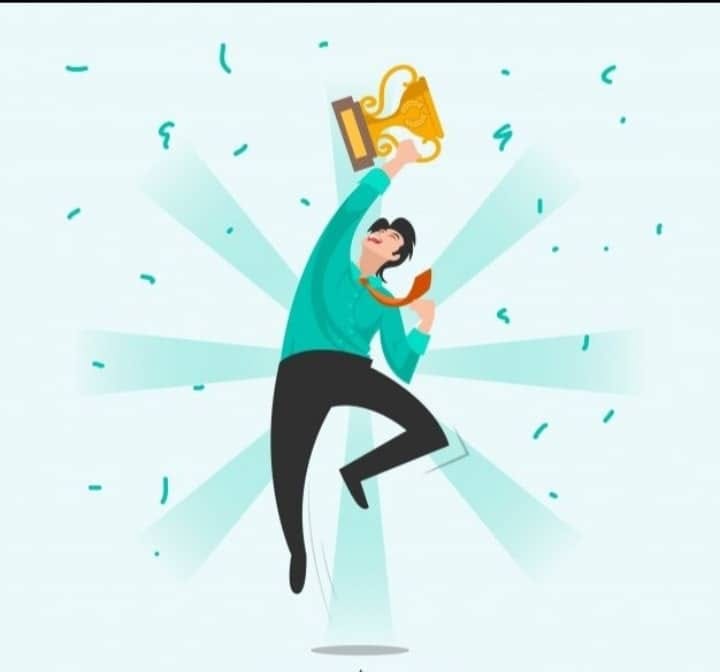
Make it satisfying.The reward is what your brain likes and helps it remember the "habit loop" in the future. In the context of daily exercise, the reward could be:
the endorphin rush you feel
the sense of achievement after completing your workout
the physical benefits like improved strength and fitness
Recognizing and valuing these rewards reinforces the habit loop, making it more likely that you'll continue this behavior in the future. Our brains are wired to seek rewards. Why else are we promised Jannah جنّة (paradise)? Habits once formed create neural pathways in our brains, making future actions easier and more automatic. Just like brushing your teeth. Key Insight: The response depends on your ability and motivation. If a habit feels too difficult or inconvenient, you’re less likely to follow through. Tip: Make it easy. For instance, start with small, manageable steps, like doing one push-up if you’re trying to exercise.
Compounding Habits For success
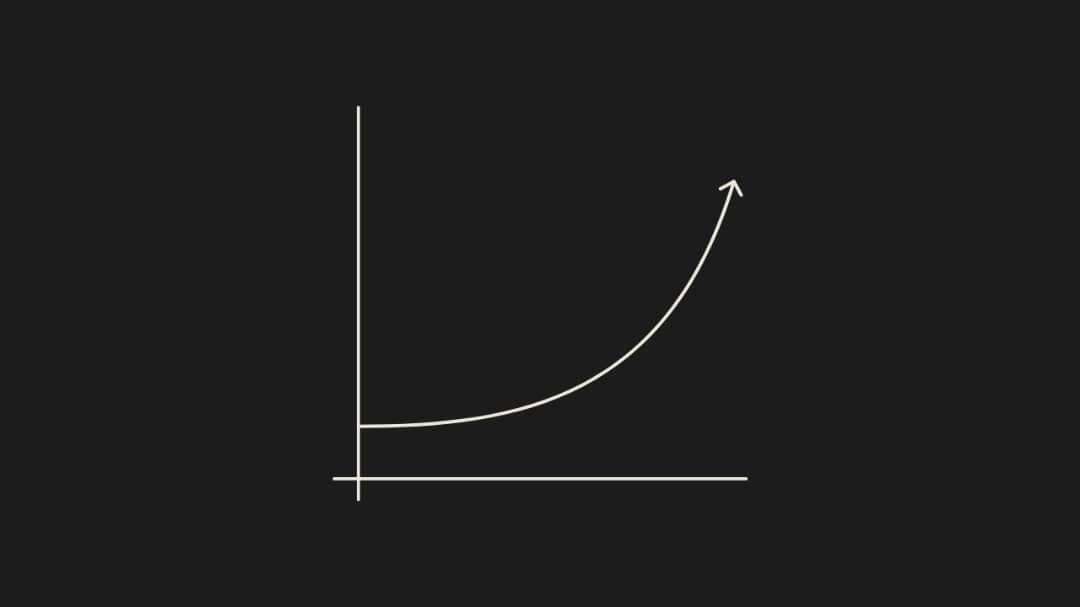
The power of compounding is important in habit formation. Just as small seeds grow into large trees — minor, consistent changes in our daily habits can lead to big changes over time.
Stacking Habits: Building a Powerful Rountine
A good way to make these small changes stick is by putting habits together.This means you start a new, small habit right after doing an old one that you already do without thinking. For example, after you brush your teeth in the morning, you could spend a minute planning your day. This links your new habit of planning with the established habit of brushing your teeth, making it easier to remember and stick to.
Leveraging The Compound Effect
When you make tiny changes and keep adding to them, they grow bigger over time.If you want to get better at writing, you could write one sentence each day right after reading a page from a book. This small daily practice can turn into a lot of writing over a year, helping you improve your skills gradually and steadily.
Decisions change Destiny.
Reshape Your Reality
Understanding how our brains function helps us take back more control. You might not be able to control everything around you, but you can control what goes on inside you. This is what want you to do to start a new habit:1) Identify a Habit You Want to Start: Choose something small that you can do every day, like reading a page of a book each night. 2) Set a Clear Cue: Place your book on your pillow so you remember to read before sleep. 3) Make It Easy: Start with just one page. Even a little progress is good progress! 4) Celebrate Your Success: Enjoy the feeling of accomplishment when you finish your page — this is your reward.
A Genuine Question To Ask Yourself:
What's one small change you can start today to build the life you want?
SUBSCRIBE TO GET MORE UPDATES!

Created with © systeme.io
Privacy policy | Terms of use | Cookies