GUIDE TO HAIR CARE : FROM SHAMPOOS TO HEAT PROTECTANTS
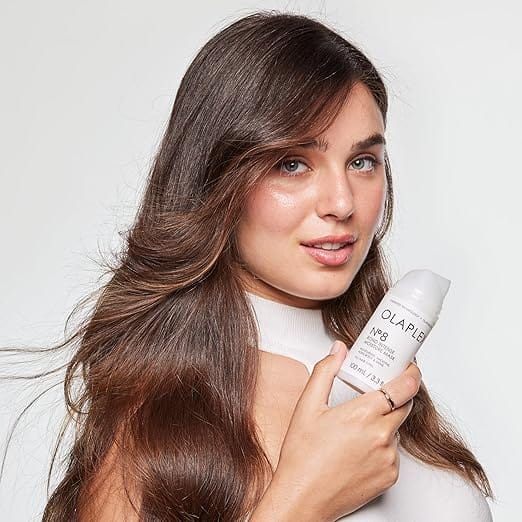
Transform your hair care routine with this guide to shampoos,hair masks,oils,serums,and heat protectants.Learn how to choose the right products for your hair type,keep your locks healthy and shiny,and protect them from heat damage.If you are looking to boost hydration,repair split ends or simply enhance your beauty,you will find tips and product reccommendations to help you achive your hair goals.
SHAMPOOS
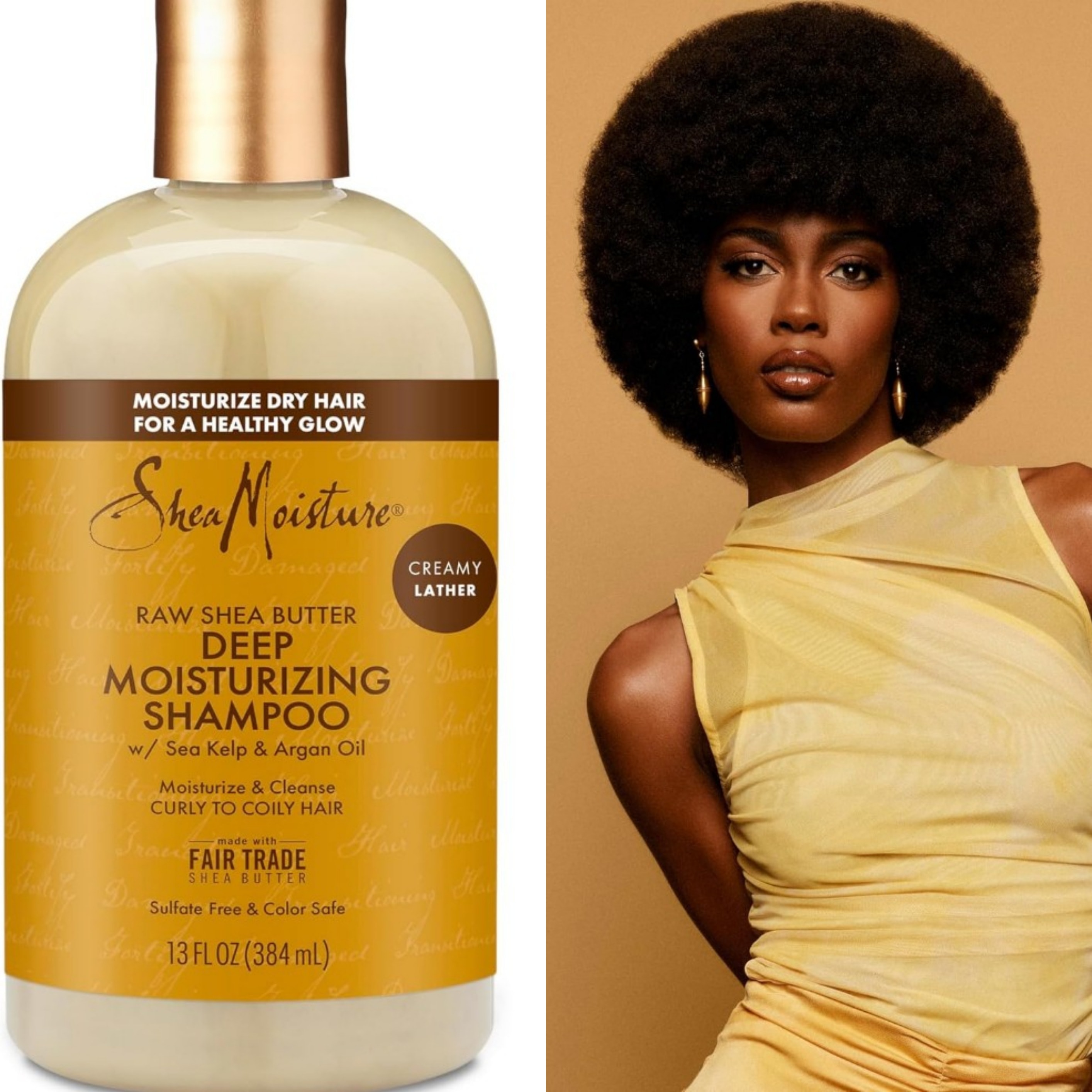
The Importance of Shampoos in Your Hair Care Routine
• Foundation of Hair Care: Shampoos are essential for cleansing the scalp and hair by removing dirt, oils, and product buildup. A clean scalp is critical for promoting healthy hair growth and ensuring that other products, like conditioners and masks, can work more effectively.
• Maintaining Scalp Health: Regular washing helps balance the scalp’s natural oils, keeping it from becoming too dry or oily. A well-balanced scalp reduces the risk of dandruff, itchiness, and other conditions that can hinder hair health.
• Contributing to Hair Loss Prevention: While shampoo alone doesn't directly prevent hair loss, using the right one can support scalp and hair health, helping reduce the risk of thinning. Shampoos with nourishing ingredients like biotin, keratin, and vitamins (such as vitamin E) can fortify hair follicles and reduce breakage. Shampoos with DHT blockers (like saw palmetto or ketoconazole) may also help prevent hair thinning caused by androgenetic alopecia.
• Stimulating Hair Growth: Massaging the scalp while shampooing increases blood circulation to hair follicles, potentially boosting hair growth. Anti-inflammatory ingredients in some shampoos soothe the scalp and help prevent conditions like dandruff or seborrheic dermatitis, which can contribute to hair loss.
• Enhancing Product Absorption: Clean hair is better able to absorb conditioners, hair masks, serums, and oils. Using the right shampoo ensures that your scalp and hair are in optimal condition to benefit fully from the rest of your hair care routine.
How to Choose the Right Shampoo
• Know Your Hair Type: Consider whether your hair is dry, oily, damaged, or colored when selecting a shampoo.
• Ingredients Matter: Avoid sulfates and parabens if you have sensitive hair or scalp. Opt for natural ingredients like plant-based oils and proteins.
• Frequency of Use: Pick a shampoo that suits your washing frequency. For example, daily shampoos should be gentler than weekly clarifying shampoos.
Types of Shampoos for Common Hair Concerns
DRY HAIR
Hydrating Shampoos: Formulated with moisturizing ingredients like argan oil, shea butter, and aloe vera to nourish and replenish dry hair.
Recommended Products: • Moroccan Oil HydratingShampoo.
• SheaMoisture Raw SheaButter Moisture RetentionShampoo (Great for African hair)
OILY HAIR
Clarifying Shampoos: Help remove excess oil and product buildup while maintaining scalp balance. Look for ingredients like tea tree oil and salicylic acid.
Recommended Products:
DAMAGED HAIR
Repairing Shampoos: Strengthen and repair hair damaged by heat, coloring, or chemical treatments with ingredients like keratin and silk proteins.
Recommended Products:
COLOR-TREATED HAIR
Color-Safe Shampoos: Free of sulfates and formulated to preserve the vibrancy of colored hair with quinoa proteins and UV filters.
Recommended Products:
THINNING HAIR
Volumizing & Thickening Shampoos: Contain biotin, collagen, and caffeine to promote thicker hair and stimulate growth.
Recommended Products:
Nioxin Cleanser Shampoo:Promotes scalp health and strengthens hair.
Pura D'or Original Gold Label Shampoo:Contains natural ingredients that reduce hair thinning.
Viviscal Gorgeous Growth Densifying Shampoo: Nourishes hair and promotes growth.
Biotin Shampoo by Maple Holistics:Enriched with biotin to strengthen hair.
Kérastase Densifique Bain Densité Shampoo:Adds volume and density to thinning hair.
AFRICAN HAIR CONCERNS
Moisture-Rich Shampoos: African hair often needs extra hydration to combat dryness and maintain elasticity.
Recommended Products:
Carol’s Daughter Black Vanilla Moisture & Shine Shampoo:A sulfate-free formula that restores moisture.
Mielle Organics Babassu Conditioning Shampoo:Gently cleanses and deeply moisturizes, perfect for curly and coily hair textures.
TGIN Moisture Rich Sulfate-Free Shampoo:Formulated with natural ingredients like honey and olive oil to add moisture to natural hair.
Strengthening Shampoos:
Reinforce fragile, coily hair with proteins and vitamins to reduce breakage.
Recommended Products:
SheaMoisture Jamaican Black Castor Oil Strengthen & Restore Shampoo:Infused with castor oil for stronger hair and enhanced growth.
As I Am Long & Luxe Strengthening Shampoo: Designed for natural hair, this shampoo promotes length retention and strengthens hair from the roots.
CONDITIONERS
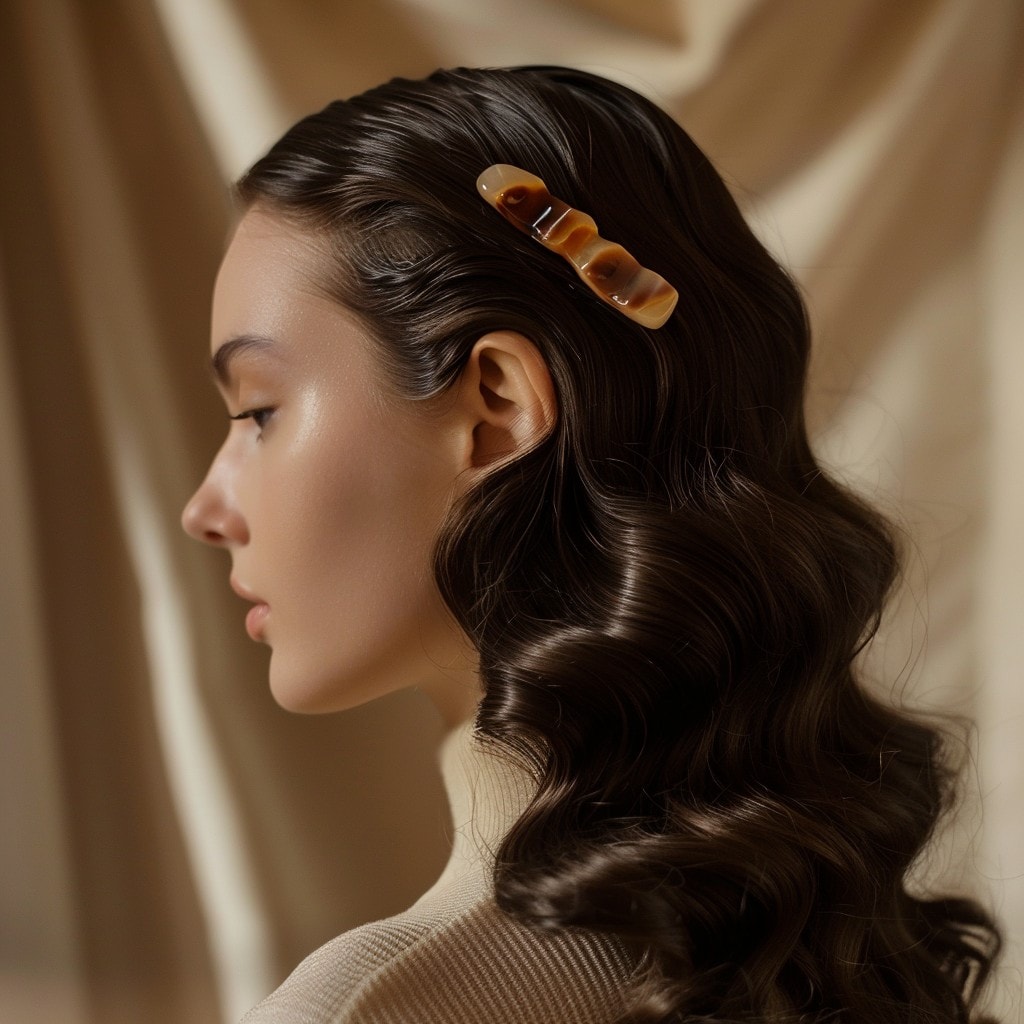
Conditioners are the backbone of any hair care routine. Often considered the no-brainer post-shampoo step, conditioners soften and smooth your strands after cleansing. They provide the essential nourishment your hair craves. Whether your hair is curly, straight, thick, or fine, conditioners help maintain its health and manageability. By restoring hydration, enhancing softness, and protecting against damage, conditioners ensure your hair stays smooth, shiny, and strong. A good conditioner is the key to unlocking your hair’s full potential and keeping it looking its absolute best..
How Conditioners Help In Detangling And Nourishing Hair
1. Detangling
Smoothes the Hair Cuticle: Conditioners work by smoothing the hair cuticle, which can become rough and raised after washing. This reduces friction between hair strands and makes detangling easier and less damaging.
Adds Slip: Conditioners contain ingredients that add slip to the hair, allowing combs and brushes to glide through more easily. This is especially helpful for hair prone to knots, tangles, and breakage.
Prevents Breakage: With reduced friction and increased smoothness, conditioners help prevent the breakage that often occurs when detangling wet hair.
2. Nourishing
Restores Moisture: Hair can become dry and brittle, especially after washing. Conditioners replenish lost moisture, leaving hair hydrated and healthy.
Strengthens Hair: Many conditioners are infused with strengthening ingredients like proteins and vitamins, which help to reinforce the hair shaft, making it more resilient to damage.
Protects and Seals: Conditioners create a protective barrier around the hair, sealing in moisture and nutrients to enhance shine and softness while reducing frizz and split ends.
Product Recommendation For Different Concerns
Dry and Brittle Hair
Moisturizing Conditioners: Focus on deep hydration and nourishment to restore moisture and improve elasticity.
Recommended Products:
Moroccan Oil Hydrating Conditioner: Rich in argan oil to deeply nourish and restore moisture to dry, brittle hair.
SheaMoisture Manuka Honey & Mafura Oil Intensive Hydration Conditioner: Ideal for thick, dry, or curly hair, offering intense hydration and nourishment.
Tangled and Hard-to-Manage Hair
Detangling Conditioners: Provide extra slip to help detangle knots and smooth the hair for easy combing and styling.
Recommended Products:
Aussie 3 Minute Miracle Moist Conditioner: Known for providing slip and moisture, making it easier to detangle thick or curly hair.
Kinky Curly Knot Today Leave-In Conditioner:Specifically designed for curly hair, this product softens and detangles knots, making it perfect for African hair.
Damaged Hair
Repairing Conditioners: Heat styling, coloring, and chemical treatments can damage the hair’s structure. Repairing conditioners work to restore hair by reinforcing the hair shaft with proteins and vitamins.
Recommended Products:
Olaplex No. 5 Bond Maintenance Conditioner:Repairs broken bonds in the hair, making it ideal for chemically eated or heat-damaged hair.
Redken Extreme Conditioner:Strengthens and repairs damaged hair, improving resilience and softness.
Lador Perfect Hair Fill-Up Conditioner:Restores damaged hair with keratin and collagen, making it strong and shiny.
Color-Treated Hair
Color-Safe Conditioners: Hair that’s been dyed or bleached needs extra care to maintain color vibrancy while preventing dryness and damage. Color-safe conditioners are sulfate-free and designed to protect against fading while nourishing the hair.
Recommended Products:
Pureology Hydrate Conditioner: Sulfate-free and formulated to keep hair color vibrant while moisturizing and protecting against dryness.
Biolage Colorlast Conditioner:Helps preserve color while nourishing hair, leaving it shiny and soft.
L'Oreal Paris Pure Moisture Sulfate Free Conditioner:known for its color-preserving formula and gentle ingredients.
Thinning Hair
Volumizing & Strengthening Conditioners: These conditioners are designed to add volume and thickness to thinning hair while strengthening the hair strands to reduce breakage and promote hair growth.
Recommended Products:
Nioxin Scalp Therapy Conditioner:A well-known product for adding volume and promoting scalp health, ideal for thinning hair.
Viviscal Gorgeous Growth Densifying Conditioner: Nourishes and thickens thinning hair, promoting healthy hair growth.
Kérastase Densifique Fondant Densité Conditioner:Helps increase hair density and thickness, leaving hair fuller and stronger.
Nioxin System 2 Scalp Therapy Conditioner:Designed for thing hair,it helps to nourish the scalp and strengthen hair.
African Hair Concerns
Deep Conditioning and Strengthening: African hair, particularly curly, coily, and kinky textures, benefits from rich, deep conditioners that offer intense moisture and strengthen fragile hair. These conditioners prevent breakage and help maintain healthy, hydrated curls.
Recommended Products:
Carol’s Daughter Black Vanilla Moisture & Shine Conditioner:A great choice for textured hair, providing moisture and shine while making detangling easier.
Mielle Organics Babassu Oil Mint Deep Conditioner:Infused with babassu oil and mint, this conditioner deeply hydrates and strengthens thick, curly hair.
TGIN Triple Moisture Replenishing Conditioner: Contains shea butter and argan oil, perfect for deeply moisturizing and conditioning natural hair.
HAIR MASK
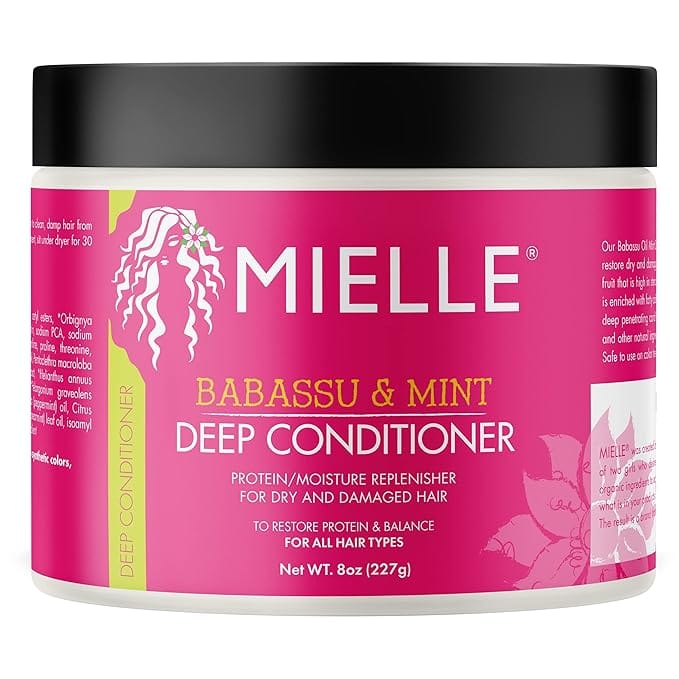
Hair masks are a vital addition to any self-care routine,your regular conditioner is designed to be used after shampooing. It adds a bit of moisture, helps with detangling, and is then rinsed out. A deep conditioning mask, however, offers more intensive care. It stays on your strands for an extended period, allowing it to seal in moisture, repair damage, and revitalize your tresses for longer-lasting results.
The Benefits of Using Hair Masks
1. Boosts Hydration
Deep Moisture Boost: Hair masks are formulated with potent moisturizing ingredients like oils, butters, and humectants that penetrate deeply into the hair shaft. This makes them especially beneficial for dry, brittle, or coarse hair in need of extra hydration.
Softens Hair: The nourishing ingredients in hair masks restore softness and elasticity, leaving hair more manageable and touchably soft after treatment.
2. Repairing Damage
Strengthens Weak, Damaged Hair: Regular use of heat tools, chemical treatments, and environmental stressors can weaken hair over time. Hair masks with proteins, keratin, and amino acids work to repair damage by rebuilding the hair’s structure and reinforcing weak strands.
Prevents Breakage: By strengthening the hair shaft and sealing split ends, hair masks help prevent further breakage and keep hair healthier for longer.
3. Restore shines and Brightness
Seals the Hair Cuticle: Hair masks smooth and seal the outer layer of the hair (cuticle), making it less porous and prone to frizz and flyaways. This results in shinier, smoother hair with enhanced light reflection.
Reduces Frizz: By locking in moisture and smoothing the hair cuticle, hair masks help tame frizz, making hair appear sleeker and more polished.
4. Enhances Hair Health
Improves Scalp Health: Some hair masks are formulated to target the scalp, delivering hydration, soothing irritation, and promoting a balanced environment for healthy hair growth. Ingredients like tea tree oil, peppermint, and aloe vera work wonders in keeping the scalp refreshed and nourished.
Promotes Growth: Masks infused with ingredients like biotin, argan oil, and essential vitamins can stimulate and support healthier hair growth by strengthening the hair roots and improving scalp circulation.
5. Customizable Hair Concerns
Targeted Treatments: Hair masks can be chosen based on your specific hair concerns. Whether you're battling dryness, damage, color fading, or thinning, there's a hair mask tailored to meet your needs. Regular use ensures your hair stays in optimal condition.
How to Choose The Right Hair Masks
Choosing the right hair mask is crucial for addressing your specific hair needs. With so many options available, it can be overwhelming to pick the one that’s best for you. Here are some key factors to consider when selecting a hair mask:
1. Identify Your Hair Type
Dry or Brittle Hair: Opt for masks that are deeply hydrating and nourishing, with ingredients like argan oil, shea butter, and coconut oil to restore moisture and softness.
Oily Hair: Look for lightweight, balancing masks that won’t weigh down your hair. Ingredients like clay, tea tree oil, and mint can help absorb excess oil and clarify the scalp.
Curly or Textured Hair: Choose rich, moisturizing masks designed to enhance curl definition and elasticity. Ingredients like avocado oil, honey, and aloe vera are excellent for keeping curls hydrated and bouncy.
Fine or Thin Hair: Go for lightweight, volumizing masks that won’t weigh down your hair. Masks with ingredients like keratin, collagen, or biotin can add strength and body.
2. Consider Your Hair Concerns
Damage and Breakage: For damaged or weak hair, choose protein-rich masks that help repair and rebuild the hair structure. Look for ingredients like keratin, amino acids, and silk proteins to strengthen the hair shaft.
Color-Treated Hair: If you have color-treated hair, opt for masks specifically formulated to protect your color while nourishing your strands. These masks often contain UV filters, antioxidants, and moisturizing oils to prevent color fading and keep hair vibrant.
Frizz and Flyaways: For frizzy or unmanageable hair, look for smoothing masks that seal the cuticle and lock in moisture. Shea butter, argan oil, and silk proteins can help tame frizz and make your hair more sleek and manageable.
Hair Growth and Thinning: If you're experiencing thinning or hair loss, masks with ingredients like biotin, rosemary oil, or caffeine can promote healthier hair growth by stimulating the scalp and strengthening roots.
3.Check the Ingredients
Natural Oils: Look for hair masks that contain natural oils such as argan oil,coconut oil, or jojoba oil, as these can deeply nourish and protect your hair.
Hydrolyzed Proteins: For damaged hair, hydrolyzed proteins like keratin, silk, or collagen can help repair the hair and make it stronger and less prone to breakage.
Avoid Harmful Chemicals: Make sure to avoid hair masks with harsh chemicals like sulfates, parabens, and synthetic fragrances, especially if you have sensitive scalp or chemically-treated hair.
4. Frequency of Use
Lightweight Masks: If you need a quick pick-me-up or an everyday treatment, choose a lightweight mask that can be used more frequently without weighing your hair down.
Intensive Repair Masks: If you’re dealing with significant damage, opt for an intensive repair mask that can be used once a week for deep conditioning and restoration.
5. Look for Specialized Treatments
Scalp Treatment Masks: If you have scalp concerns such as dandruff, irritation, or excess oil production, choose a mask specifically formulated for scalp care. These often contain soothing and clarifying ingredients like tea tree oil, charcoal, or peppermint.
Heat or UV Protection: For hair frequently exposed to heat styling or sun exposure, masks with heat protection or UV filters are ideal. They help shield the hair from further damage while nourishing it.
Recommended Hair Masks for Different Concerns
1. Dry and Damaged Hair
Moroccan Oil Intense Hydrating Mask:Enriched with argan oil, this mask delivers intense hydration and restores shine, leaving hair soft and nourished.
Olaplex No. 8 Bond Intense Moisture Mask: A deep repair mask that strengthens hair bonds, making it ideal for damaged, chemically-treated, or over-processed hair.
Nature Republic Argan Essential Deep Care Hair Pack:This rich, oil-based mask deeply moisturizes dry hair, reviving and softening even the most parched locks.
2. Frizzy and Unruly Hair
SheaMoisture Manuka Honey & Yogurt Hydrate + Repair Protein Power Treatment: Ideal for thick, frizzy hair, this mask offers both hydration and protein to tame and smooth hair.
Briogeo Don’t Despair, Repair! Deep Conditioning M.ask: Made with a blend of natural oils and vitamins, this mask helps smooth frizz and leaves hair looking shinier and healthier.
3. Color-Treated Hair
Pureology Strength Cure Superfood Treatment: Specially formulated for color-treated hair, this mask protects color vibrancy while repairing and strengthening hair.
Christophe Robin Shade Variation Mask:Revitalizes color-treated hair, adding moisture and preserving color intensity.
Lador Perfect Hair Fill-Up: Ideal for color-treated or chemically-processed hair, this mask restores damaged hair and enhances shine without stripping color.
4. Hair Growth and Thinning Hair
Briogeo Blossom & Bloom Ginseng + Biotin Volumizing Conditioner: This formula promotes healthy hair growth by strengthening roots and reducing breakage.
Maui Moisture Heal & Hydrate Shea Butter Hair Mask: With nourishing ingredients like shea butter and aloe vera, this mask deeply hydrates and promotes scalp health for better hair growth.
5.African Hair Concerns
TGIN Honey Miracle Hair Mask: Infused with raw honey and olive oil, this mask provides deep moisture and repair for thick, curly, and textured hair, preventing breakage and enhancing curl definition.
Mielle Organics Babassu Oil Mint Deep Conditioner:With a blend of natural oils and proteins, this mask hydrates and strengthens curls while providing the nourishment needed for healthy growth.
Camille Rose Algae Renew Deep Conditioner:This rich conditioner is packed with vitamins, biotin, and cocoa butter, helping repair, strengthen, and revitalize natural hair.
OILS
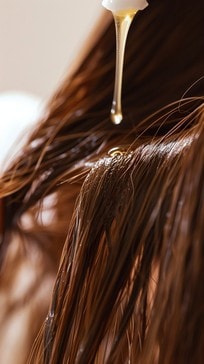
Hair oiling is the practice of pouring oil onto the hair and massaging it into the scalp to increase moisture, luster, and shine. This ancient practice helps to soften the hair while replenishing essential vitamins and minerals that are often stripped away by frequent washing. Hair oils have long been celebrated as a beauty secret across cultures for their nourishing, protective, and restorative qualities. Whether you’re looking to promote a healthier scalp, add shine, or repair damage, incorporating hair oils into your routine can transform your hair and elevate your self-care regimen.
The Benefits of Using Hair Oils
1. Deep Nourishment for the Scalp
Hydrates and Balances: Hair oils are excellent for maintaining scalp health by providing much-needed hydration. Oils like jojoba, coconut, and tea tree oil balance oil production, preventing a dry, flaky scalp or excess sebum buildup.
Promotes Hair Growth: Regular scalp massages with hair oil improve blood circulation to the hair follicles, which can promote healthier and faster hair growth. Oils like rosemary, peppermint, and castor oil are particularly known for stimulating growth.
Soothes Irritation: If you suffer from an itchy or irritated scalp, oils with anti-inflammatory properties, such as lavender, chamomile, or argan oil, can provide soothing relief while reducing redness and discomfort.
2. Adds Shine and Luster
Seals in Moisture: Hair oils work by sealing the hair cuticle, locking in moisture and giving your strands a glossy, polished look. Lightweight oils like argan and grapeseed are especially effective at providing a brilliant shine without weighing hair down.
Smooths Frizz: Oils help tame unruly frizz and flyaways by coating the hair and creating a protective barrier against humidity. This results in smoother, more manageable hair that looks sleek and polished throughout the day.
3. Repairs and Protects Damaged Hair
Strengthens and Rebuilds: Oils rich in vitamins and fatty acids, such as coconut and avocado oil, penetrate the hair shaft to repair damage from within. They strengthen weakened strands and help rebuild the hair’s natural protein structure, preventing further breakage.
Protects from Heat and Environmental Stressors: Applying hair oil before heat styling acts as a protective shield, reducing the risk of damage from blow dryers, flat irons, and curling wands. Additionally, oils can protect your hair from environmental pollutants and UV rays, which can cause dryness and color fading.
4. Enhances Elasticity and Flexibility
Prevents Breakage: Well-moisturized hair is less likely to snap and break, especially during detangling and styling. Oils help boost hair’s elasticity, making it more flexible and resilient.
Improves Manageability: Regular oil treatments soften the hair, making it easier to detangle and style. This reduces tension on the hair during brushing, minimizing mechanical damage.
5. Suits All Hair Types
Customizable for Your Hair Type: Whether you have curly, straight, thick, or fine hair, there’s an oil that can suit your specific needs. Thicker oils like castor and olive oil are great for coarse, dry hair, while lighter oils like argan, jojoba, and grapeseed work wonders for fine or oily hair without leaving it greasy.
How To Use Hair Oils
1. As a Pre-Shampoo Treatment:Apply hair oil to dry hair before washing to create a nourishing barrier that protects your strands from the drying effects of shampoo. Let the oil soak in for 20-30 minutes before rinsing for extra moisture and protection.
2. Overnight Treatment: For deep conditioning, apply a generous amount of oil to your hair and scalp before bed. Cover your hair with a silk scarf or cap, and let the oil work its magic overnight. Wash it out in the morning for soft, hydrated hair.
3. Post-Wash Shine Enhancer: After washing and conditioning, apply a small amount of oil to damp hair. Focus on the ends to seal in moisture and add shine without weighing your hair down.
4. Scalp Treatment: Gently massage a few drops of oil into your scalp once or twice a week to maintain balance and encourage hair growth. Oils like peppermint and rosemary can invigorate the scalp, while lavender and chamomile offer soothing effects.
Recommend Hair Oils for Different Hair Concerns
1. Dry and Brittle Hair
Moroccan Oil Treatment: This argan oil-based treatment is perfect for dry, brittle hair that needs hydration and repair. It absorbs quickly and leaves hair silky and smooth.
Nature Republic Argan Essential Deep Care Hair Oil:A rich oil treatment that provides intense moisture and smoothness for dry and damaged hair.
Coconut Oil:A deeply hydrating oil that penetrates the hair shaft, coconut oil is ideal for dry or damaged hair. It provides intense moisture and strengthens hair from the inside out.
2. Frizzy and unruly Hair
Ouai Hair Oil: A lightweight oil that tames frizz and flyaways while adding shine and protecting from heat damage.
Kérastase Elixir Ultime Oil:Helps tame frizzy and unruly hair by smoothing the hair cuticle, reducing frizz, and adding a glossy shine. Its blend of nourishing oils provides hydration and manageability, making hair easier to style and control.
SheaMoisture 100% Pure Argan Oil: Known for its ability to smooth and soften hair, this oil works wonders for controlling frizz and boosting shine, especially in humid climates.
3. Oily or Fine Hair
Grapeseed Oil: This ultra-light oil is perfect for those with fine or oily hair, providing shine and nourishment without feeling heavy or greasy.
Mise en Scène Perfect Serum:A lightweight serum that smooths and adds shine to fine hair while keeping it soft and voluminous.
Verb Ghost Oil: A weightless blend of oils that smooths frizz and adds shine without weighing down fine hair, making it ideal for those with thin or oily hair types.
4. Curly and Textured Hair
Mielle Organics Rosemary Mint Scalp & Hair Strengthening Oil:Formulated for curly and coily hair, this oil strengthens and promotes growth while providing intense hydration to curls.
Briogeo Farewell Frizz Rosehip Argan Coconut Oil: Helps by providing deep moisture, reducing frizz, and enhancing shine without weighing down the curls. Its blend of rosehip, argan, and coconut oils nourishes and smooths the hair, making it more manageable and soft.
TGIN Argan Replenishing Hair & Body Serum: This multi-purpose oil restores moisture and shine to natural curls while preventing frizz and breakage.
5. Scalp Health and Hair Growth
Castor Oil: Well-known for its ability to promote hair growth, castor oil is a thick, nutrient-rich oil that nourishes the scalp and strengthens hair from the roots.
Hydrates and conditions hair with argan oil, OGX Renewing + Argan Oil of Morocco Penetrating Hair Oil: reducing frizz and adding shine. It strengthens hair, improves elasticity, and supports a healthier scalp environment for enhanced hair growth.
Briogeo Scalp Revival Charcoal + Tea Tree Scalp Treatment: This treatment oil helps detoxify and soothe an irritated scalp while promoting a healthy environment for hair growth.
SERUMS
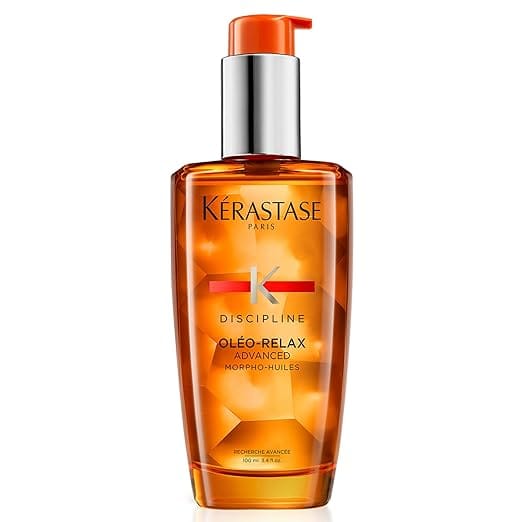
Serums can transform both the health of your scalp and the appearance of your hair. Formulated with lightweight yet potent ingredients, hair serums work by delivering concentrated nutrients and protective agents directly to the hair and scalp, offering benefits such as hydration, shine, frizz control, and even growth stimulation.
Benefits Of Using Hair Serums
1. Nourishes the Scalp
Balances Oil Production: Hair serums, particularly those designed for the scalp, help balance oil production, reducing excessive dryness or oiliness. This makes them great for maintaining a healthy scalp environment, which is essential for overall hair health.
Stimulates Hair Growth: Many scalp serums contain ingredients like biotin, peptides, or caffeine that stimulate blood circulation and encourage hair growth. Serums also nourish hair follicles, helping to prevent hair thinning and promoting denser hair over time.
Calms Scalp Irritation: Scalp serums infused with soothing ingredients like aloe vera or tea tree oil can alleviate irritation, inflammation, and itchiness. They are beneficial for people dealing with conditions like dandruff or sensitive skin.
2. Adds Shine and Smoothness
Seals the Hair Cuticle: Hair serums are designed to coat the hair strands, sealing the cuticle and locking in moisture. This smoothens the hair shaft, reducing roughness and enhancing shine.
Reduces Frizz and Flyaways: Lightweight serums form a protective barrier over the hair, shielding it from humidity and environmental aggressors. This helps in taming frizz and keeping your hair sleek and smooth throughout the day.
Enhances Shine Without Weight: Unlike heavier oils or creams, serums offer a lightweight formula that boosts shine without leaving hair feeling greasy or weighed down. They are ideal for adding gloss and luster, especially for dull or dry hair.
3. Repairs and Protects from Damage
Strengthens Hair: Serums containing keratin, silk proteins, or amino acids help strengthen and rebuild damaged hair. Regular use of hair serum can fortify weak strands and prevent breakage.
Heat and UV Protection: Many serums offer thermal protection, making them a great pre-styling treatment before using heat tools like straighteners, curling irons, or blow dryers. Additionally, they act as a shield against harmful UV rays and environmental pollutants, which can cause color fading and damage.
4. Improves Manageability
Detangles and Softens: By coating the hair in a silky layer, serums make it easier to detangle knots and improve the overall softness of the hair. This reduces the risk of breakage during brushing and styling.
Defines Curls and Waves: For those with curly or wavy hair, serums help define the natural pattern of the hair, giving it a more polished and controlled look without the crunchiness that some other products can leave behind.
How to Use Hair Serums
1. Pre-Styling: Apply a small amount of serum to damp hair before heat styling to protect your hair from damage and lock in moisture. This will help keep your hair smooth and shiny after blow-drying, straightening, or curling.
2. Post-Wash Shine Enhancer:After washing your hair, apply a few drops of serum to damp hair for extra smoothness and gloss. This also helps control frizz and adds a layer of protection against humidity.
3. Scalp Treatment:Scalp serums can be used directly on the scalp to address specific concerns like dandruff, itchiness, or hair thinning. Gently massage the serum into the scalp, allowing the active ingredients to penetrate the skin and nourish the follicles.
4. Finishing Touch:For an added touch of shine, apply a small amount of serum to dry hair, focusing on the ends. This will enhance the overall look of your hairstyle and keep your hair sleek throughout the day.
Recommended Hair Serums for Different Hair Concerns
1. Dry and Frizzy Hair
L'Oréal Paris Elvive Extraordinary Oil Serum:Ideal for dry, frizzy hair, this serum smooths the hair and adds instant shine without making it greasy.
Nature Republic Argan Essential Hair Oil Serum: This serum deeply hydrates and smooths dry, frizzy hair, leaving it glossy and soft. It’s excellent for adding a silky finish to unruly hair.
Scalp Health and Hair Growth
Regenepure DR Hair & Scalp Treatment: This treatment includes a mix of key ingredients such as ketoconazole and saw palmetto, which help to promote a healthier scalp and support hair growth.
Mise en Scène Perfect Repair Serum:This serum repairs damage and strengthens hair while promoting a healthy scalp environment. It’s lightweight and non-greasy, making it perfect for regular use.
3. Fine and Oily Hair
Kérastase Discipline Oleo-Relax Advanced Hair Serum: A lightweight serum designed to smooth fine or oily hair without adding excess weight. It provides frizz control while leaving hair with a soft, glossy finish.
Verb Ghost Weightless Hair Oil:This serum is ultra-lightweight and won’t weigh down fine or oily hair. It adds shine and smooths frizz while keeping hair manageable and sleek.
4. Curly and Textured Hair
Garnier Fructis Sleek & Shine Anti-Frizz Serum: Formulated with argan oil and a blend of fruit oils, this serum helps to smooth and shine hair while combating frizz.
Ouai Curl-Defining Hair Serum:Formulated specifically for curly hair, this serum/cream defines curls, adds hydration, and prevents frizz, leaving your curls soft and bouncy.
HEAT PROTECTANTS
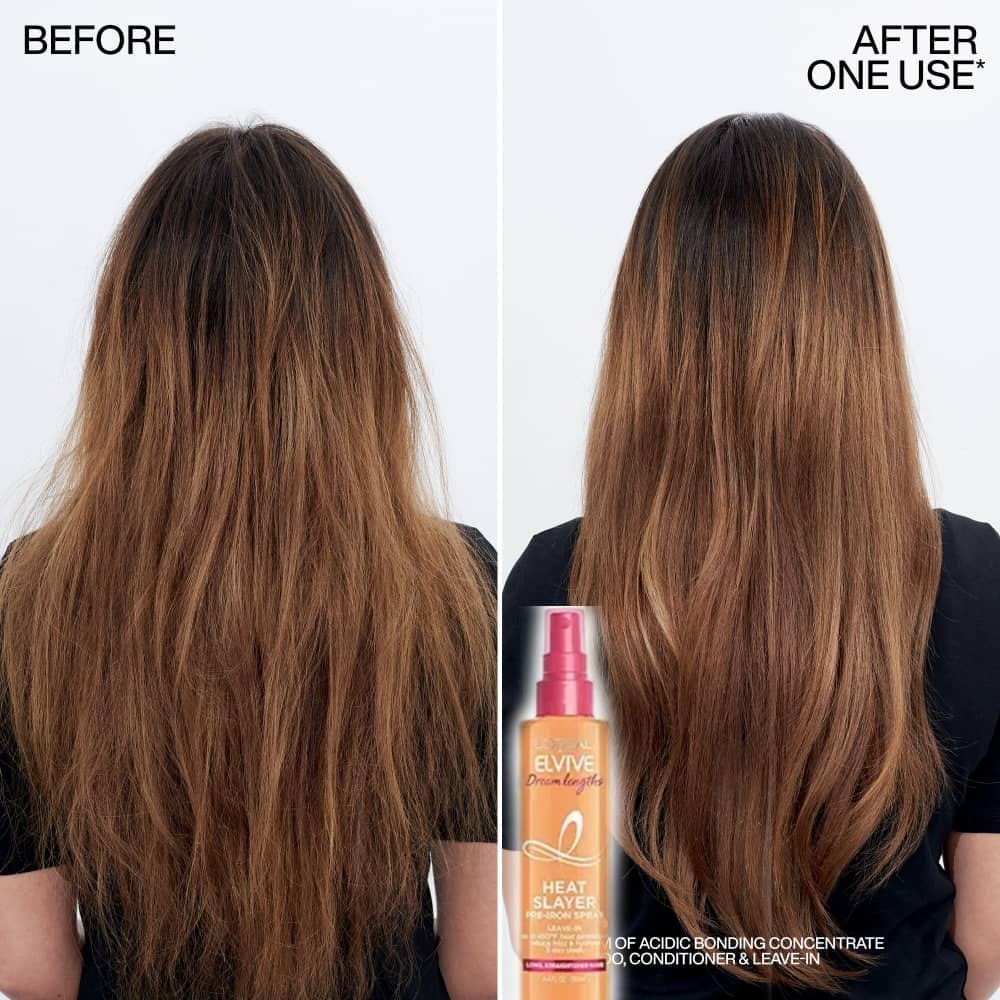
Using heat tools like flat irons, curling wands, or blow dryers is common in many hair care routines, but without the proper protection, these tools can lead to significant damage. Heat protectants act as a critical barrier between your hair and the intense heat, preventing issues such as dryness, breakage, and split ends. They are an absolute must for anyone who regularly uses styling tools, ensuring that your hair remains strong, smooth, and shiny.
Why Heat Protectants Are Cruical
1. Prevents Heat Damage: Heat styling tools can reach temperatures up to 450°F, which can weaken and break down the hair's natural proteins. Heat protectants form a barrier over the hair shaft, reducing the direct exposure to heat and minimizing damage to the hair’s cuticle.
2. Locks in Moisture: Many heat protectants contain hydrating ingredients that help lock moisture into the hair shaft. This prevents the hair from becoming dry and brittle after exposure to high temperatures, ensuring that it remains soft and smooth.
3. Seals the Hair Cuticle: Heat protectants smooth and seal the hair cuticle, reducing frizz and promoting shine. By keeping the cuticle intact, the hair appears healthier and more vibrant, even after frequent heat styling.
4. Reduces Breakage and Split Ends: Heat-styled hair is more prone to breakage and split ends due to the weakening of the hair's structure. Using a heat protectant can significantly reduce this risk by reinforcing the hair strands and protecting them from the stress caused by heat styling.
5. Prolongs Hair Color: For those with color-treated hair, heat styling can cause color fading. A heat protectant can help shield the hair from heat damage, preserving the vibrancy of your hair color for longer.
6. Enhances Styling Results: Heat protectants not only protect your hair but also help achieve better styling results. By smoothing the hair and providing slip, these products make it easier to glide styling tools through your hair, resulting in a sleeker, more polished finish.
How To Use Heat Protectants
1. Before Blow Drying:Apply a heat protectant to damp hair before blow drying. This helps lock in moisture and shields the hair from the heat of the dryer.
2. Before Using Hot Tools:Always use a heat protectant before using flat irons, curling wands, or other heat-styling tools. Focus on the mid-lengths and ends of your hair, where the damage is most likely to occur.
3. Reapply as Needed: If you’re using multiple heat tools (e.g., blow drying and then straightening), you may need to reapply heat protectant between styling steps to ensure continuous protection.
Recommend Hair Protectants For Different Hair Concerns
1. Dry and Damaged Hair
Tresemmé Thermal Creations Heat Tamer Spray:Protects hair from heat while providing moisture and softness, ideal for dry or damaged hair.
L'Oréal Paris Elvive Dream Lengths Heat Slayer Pre-Iron Spray: Shields hair from up to 450°F and repairs damage, perfect for long, damaged hair.
2. Fine and Oily Hair
Moroccanoil Perfect Defense: A lightweight, dry aerosol spray that provides heat protection without making hair greasy, perfect for fine hair.
CHI 44 Iron Guard Thermal Protection Spray: A lightweight spray that protects fine hair from heat while adding shine and reducing frizz.
3. Color-Treated Hair
Oribe Invisible Defense Universal Protection Spray: Provides excellent heat protection
SUBSCRIBE TO GET MORE UPDATES!

Created with © systeme.io
Privacy policy | Terms of use | Cookies